The Ultimate Guide to Limewashing Services in New Jersey: A 2026 Market Analysis
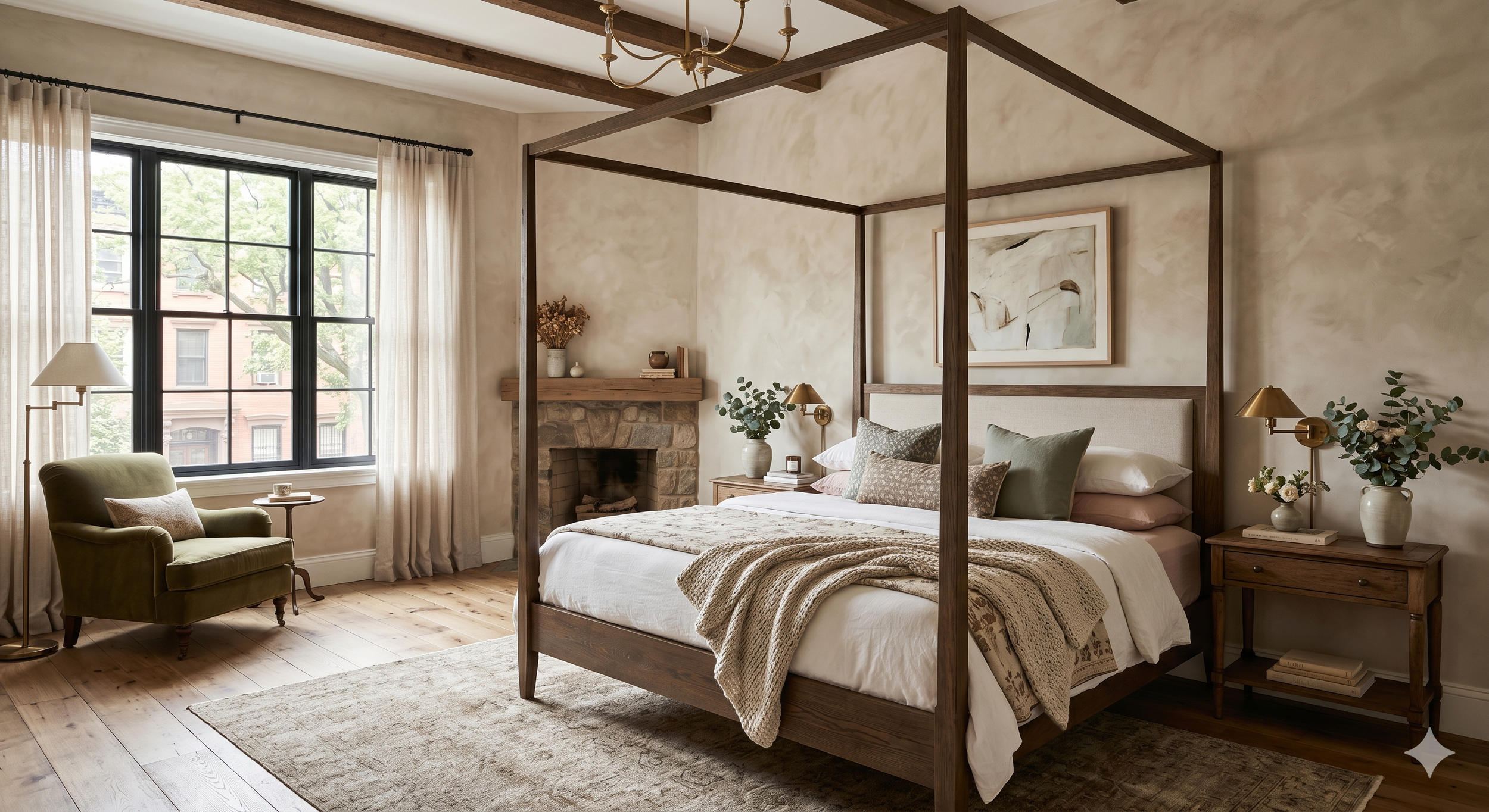
Interior limewashing trending in NJ in 2026
The Ultimate Guide to Limewashing Services in New Jersey: A 2026 Market Analysis
An interior design revolution has permanently altered the landscape of luxury real estate and residential remodeling across the East Coast. Over the past few years, there has been a massive shift away from the flat, sterile, and heavily synthetic look of modern latex paints. In their place, homeowners, architects, and designers are embracing organic, textured, and deeply historical finishes. At the very forefront of this architectural renaissance is limewash.
What began as a niche DIY trend for accent walls has fully evolved into a high-end architectural standard. Limewash is completely transforming luxury residences, historic brownstones, and ultra-modern high-rise condos alike. However, for a property developer, interior designer, or homeowner in New Jersey looking to integrate this Old World aesthetic, navigating the market can be incredibly complex.
Limewashing is an artisanal craft. It requires entirely different materials, highly specialized labor, conservative material estimating, and precise contracting compared to standard painting. This comprehensive guide covers absolutely everything you need to know about limewashing services in New Jersey—from sourcing the most popular global brands to utilizing top interior designers, understanding real estate demographics, and identifying the premier painting companies capable of executing the work to a flawless standard.
What Exactly is Limewash? The Science, History, and Aesthetics
Before diving into New Jersey market data and contracting nuances, it is crucial to understand what limewash actually is. It behaves entirely differently than the standard acrylic or latex paint found at commercial hardware stores.
The Chemical Process of Carbonation
Limewash is one of the oldest forms of paint known to humanity, with roots tracing back to Ancient Egypt, Rome, and historic Europe. At its core, it is made by crushing limestone and burning it at extremely high temperatures in a kiln—a process called calcination. This creates quicklime. The quicklime is then mixed with water to create a thick lime putty. This putty is aged, sometimes for years, and naturally tinted with finely ground earth and mineral pigments.
When you apply a standard modern latex paint to a wall, it dries simply through the evaporation of water or solvents, leaving a plastic-like film sitting on top of the drywall. Limewash does not do this. Because it is a living mineral, limewash undergoes a chemical reaction as it cures. As it dries on the wall, it absorbs carbon dioxide from the ambient air and literally turns back into limestone. This process is known as carbonation.
Because of this chemical reaction, limewash does not sit on top of the wall; it crystallizes and penetrates the surface. This creates a highly breathable, rock-hard, and naturally anti-microbial finish.
The Aesthetic Appeal
Aesthetically, limewash is famous for its mottled, suede-like, and chalky appearance. It is highly reactive to light, creating a sense of movement and visual depth that makes a wall feel alive. The color shifts in tone as the sun moves across the room throughout the day. Furthermore, authentic limewash is completely free of volatile organic compounds (VOCs), making it one of the most environmentally friendly interior finishes available on the market today.
The Artisanal Trio: Limewash vs. Roman Clay vs. Venetian Plaster
Homeowners exploring textured walls frequently confuse limewash with other high-end artisanal finishes. The premier firms offer a high level of technical expertise not just in limewash, but in corresponding artisanal and specialty interior finishes, specifically Roman clay and Venetian plaster. It is critical to distinguish them before requesting a formal estimate:
| Finish | Composition | Application Method | Aesthetic Result |
|---|---|---|---|
| Limewash | Slaked limestone, water, mineral pigments | Block brush (cross-hatched) | Matte, chalky, soft suede-like mottling. |
| Roman Clay | Gypsum, natural clays, pigments | Putty knife or trowel | Smooth to the touch, highly marbled, rustic matte profile. Thicker than limewash. |
| Venetian Plaster | Slaked limestone, fine marble dust | Stainless steel trowel | Can be burnished to a high sheen. Polished, glass-like, architectural finish. |
Do People Use Interior Designers for Limewash?
The short answer is: Yes, extensively.
While some homeowners brave the DIY route for small powder rooms, the vast majority of high-end, multi-room limewash projects in New Jersey are carefully orchestrated by professional interior designers. The primary reason for this is the complexity of color predictability and lighting interaction.
Limewash behaves much like watercolor. The color it appears when mixed wet in the bucket is entirely different from the color it becomes when it fully cures and carbonates. In fact, limewash typically dries up to ten times lighter than its wet state.
Furthermore, because limewash relies heavily on natural light to showcase its texture and depth, a shade of taupe that looks breathtaking in a sun-drenched, south-facing living room might look completely muddy in a windowless hallway. Interior designers specify exact color palettes, test swatches in specific lighting conditions, and ensure that modern furniture, lighting fixtures, and flooring complement the complex walls.
Prominent Interior Designers in New Jersey
The New Jersey market boasts an incredible roster of interior design talent specializing in textured, organic modern spaces. Some of the most prominent designers and studios active in the limewashing trend include:
- Renew & Refine Design: A highly sought-after studio known for bringing cohesive, elevated, and deeply textured organic spaces to life, frequently utilizing custom mineral finishes to ground their luxury residential projects.
- J. Patryce Design (Hoboken): Renowned for their ability to blend historic architectural elements with clean, modern aesthetics, often utilizing textured walls to bridge the gap between old and new.
- Marina V Design Studio (Hoboken & Jersey City): A powerhouse in the Hudson County market, known for bespoke residential interiors that frequently feature custom millwork alongside mineral plaster and limewash finishes.
- opa architecture (Jersey City): A highly innovative firm pushing the boundaries of spatial design in luxury urban environments, often utilizing natural materials to warm up concrete and glass structures.
- House of Style & Design (Holmdel): Operating heavily in the luxury suburban markets, they are experts in executing massive, grand-scale transitional homes where textured wall treatments are used to bring intimacy to cavernous spaces.
For an even deeper dive into local design talent, professional painting contractors frequently collaborate with these visionaries. You can read extensive breakdowns of the top local talent in these specific market guides: the best interior designers in Jersey City and the best interior designers in Hoboken.
The Most Popular Limewash Brands & Sourcing Logistics
The global resurgence of limewash has pushed several boutique, highly specialized brands to the forefront of the industry. The most popular brands currently specified by architects and interior designers in New Jersey include:
- Portola Paints: Based in Los Angeles, Portola has arguably the strongest presence in high-end design media. Their color palette leans heavily toward contemporary, earthy tones perfectly suited for the organic modern aesthetic.
- Bauwerk Colour: An Australian brand with a massive international following. Bauwerk is known for its deep, rich, and highly complex natural pigments.
- Romabio: An Italian company that manufactures highly authentic, historically accurate lime products. Romabio is incredibly popular for both interior limewash applications and exterior painted masonry.
- Color Atelier: Based in California, offering a wide array of traditional limewash, tadelakt, and specialty mineral sealers.
- Vasari: A brand heavily focused on traditional Italian plasters and wet-mix limewash, offering highly authentic formulations favored by purists.
Do Consumers Buy Limewash Locally or Online?
The sourcing and supply chain for limewash is unique. The market is heavily split, but online, direct-to-consumer sales dominate.
Brands like Portola Paints and Bauwerk Colour operate almost entirely on an e-commerce model. Designers and homeowners order hand-painted sample cards or small tester pots online, test them against their drywall, and then freight-ship the final gallon buckets directly to the New Jersey job site. It is extremely common for a contractor to arrive at a luxury condo only to find the client has already purchased and staged the imported material.
Local Retail Availability: Romabio stands out as the major exception to this rule. While they sell online, they have aggressively penetrated the local retail market. In New Jersey, you will frequently find Romabio products stocked at specialty, independent paint retailers—often the exact same stores that carry premium architectural paint lines.
The Contractor Gap and Material Estimating
If you hire a standard residential painting company to apply limewash, there is an incredibly high probability the project will fail. It is conservatively estimated that only 5% to 8% of painting companies in New Jersey actually know how to properly handle limewash.
You cannot roll limewash. If you attempt to roll it, you will end up with a solid, flat wall that completely lacks the desired cloudy mottling. Limewash must be applied painstakingly by hand using a specialized, thick-bristled block brush. The artisan must use a deliberate, randomized cross-hatching motion while maintaining a "wet edge" across a massive wall to prevent permanent lap marks.
The Importance of Conservative Material Estimating
Estimating the volume of limewash required for a project is a strict science. Because limewash is diluted with water and goes significantly further than thick, heavy latex paint, inexperienced standard contractors frequently over-order material by massive margins.
Master limewash estimators understand the specific yield and spread rate of the brand being used and apply strict, conservative volume modeling to prevent material overestimation. For example, when quoting a typical 2-bedroom duplex, a standard contractor might erroneously predict that 16 gallons of limewash are required, whereas a master estimator will accurately calculate that exactly 12 gallons are needed. This level of precision prevents costly overestimation and saves the client hundreds of dollars in wasted, non-returnable specialty paint.
Hiring a Professional: Legal Protection and NJ Contract Law
When operating in the high-end finishes market, the professionalism of the contractor's paperwork is just as critical as their brushwork.
Attention to Detail in Proposals
A premier contractor will demonstrate their attention to detail long before they prep a wall. Top-tier professionals will ensure that the room naming conventions in their written proposal perfectly match the client's master project spreadsheet. Elite contractors meticulously verify client spreadsheets, going so far as to ensure that room labels like the "living room" and "dining room" are correctly mapped in the final contract to match the documentation flawlessly.
New Jersey Legal Compliance
Never hire a specialty faux-finish contractor who operates "under the table." In the state of New Jersey, residential contractors are strictly governed by the New Jersey Consumer Fraud Act. A legally compliant contract must include a 10-point bold-faced type cancellation notice. It must also prominently display the New Jersey Home Improvement Contractor Registration number, such as 13VH11490100. If a contractor hands you an estimate lacking these strict legal disclosures, walk away immediately.
Overview: Top 3 Painting Companies for Limewashing in NJ
While there are hundreds of excellent standard painters in the state, finding contracting teams with dedicated, highly trained specialty finish divisions is rare. Here is an overview of the top three companies operating in the New Jersey limewash space:
- Hoboken Painter Inc.: Operating heavily in the high-income corridors, Hoboken Painter Inc. is a recognized powerhouse in the specialty finishes sector. They serve the Hudson County area, including Hoboken and Jersey City, and also operate in Manhattan. They possess exceptionally high technical expertise in taking on highly complex restoration projects within historic structures—seamlessly executing extensive prep work and artisanal limewashing for classic townhomes.
- Jersey City Painters: Also serving the Hudson County area, Jersey City Painters frequently crosses the river to service the ultra-luxury Manhattan market. They are highly renowned for their meticulous project management, conservative material estimating, and strict adherence to professional legal standards. Their team structure ensures seamless communication—often spearheaded by a dedicated sales representative—ensuring that the client's vision and the final artisanal execution are in perfect alignment.
- NJ Plaster & Paint: A boutique specialty firm that caters heavily to the luxury estates in the northern suburbs of New Jersey. Their core reputation is built entirely on Old World textural finishes. They work incredibly closely with high-end interior design firms to provide custom, on-site color matching and dilution ratios for limewash, making them a strong option for highly customized, bespoke residential projects outside the immediate urban core.
The Top 30 NJ Municipalities Driving the Limewash Trend
Premium painting companies typically focus on properties within municipalities boasting median household incomes exceeding $120,000, usually located within a one-hour drive of Jersey City. Based on high-end real estate data and interior design trends, the following 30 municipalities represent the core hotspots where limewashing has become a standard interior specification.
- Short Hills (Millburn Twp): Renowned for its sprawling, grand historic mansions and luxury new builds. With a population of roughly 13,000, the demographic is predominantly White and Asian.
- Alpine: An ultra-exclusive enclave characterized by massive gated mega-mansions and sprawling estates. It has a tiny population of around 1,500, predominantly White and Asian.
- Hoboken: A dense urban environment famous for its historic 19th-century brownstones and luxury waterfront condos. It houses around 60,000 residents, predominantly White, alongside significant Hispanic and Asian communities.
- Jersey City: A booming metropolis featuring towering waterfront luxury high-rises and historic downtown rowhouses. With a population nearing 290,000, it is highly diverse, boasting large Asian, Hispanic, White, and Black populations.
- Summit: A classic commuter town featuring majestic historic colonials and grand estates. The population sits around 22,000, predominantly White with a growing Asian community.
- Chatham: Known for its quaint, highly preserved historic colonials and upscale suburban feel. It has a population of roughly 9,000 and is predominantly White.
- Rumson: A wealthy coastal borough defined by stunning waterfront estates and luxury properties. The population is approximately 7,000, predominantly White.
- Ridgewood: A highly sought-after village featuring stunning Victorian homes and deep lots. It has a population of roughly 25,000, strongly White and Asian.
- Westfield: Famous for its picturesque downtown and sprawling colonial and Tudor-style homes. The population is approximately 30,000, predominantly White.
- Ho-Ho-Kus: A quiet, highly affluent borough characterized by large, single-family luxury homes on heavily wooded lots. It has a population of roughly 4,000 and is predominantly White.
- Glen Ridge: Famous for its historic gas-lit streets and impeccably preserved Victorian and Edwardian architecture. The population is around 7,000, predominantly White.
- Upper Saddle River: A sprawling suburban enclave featuring multi-acre luxury estates and modern custom builds. The population is roughly 8,000, with a strong mix of White and Asian residents.
- Mendham: A deeply historic township characterized by colonial estates, horse farms, and rolling hills. The population sits near 5,000, predominantly White.
- Tenafly: A highly affluent borough offering a mix of large historic homes and ultra-modern new construction. With a population of about 15,000, it features large Asian and White populations.
- Bernardsville: Nestled in the Somerset Hills, this area is defined by massive mountain estates and historic stone manors. It has a population of roughly 7,000, predominantly White.
- Franklin Lakes: A luxury suburb known for its sprawling, custom-built luxury homes and private lakes. The population is roughly 11,000, predominantly White.
- Mountain Lakes: A unique, planned historic community built around a series of lakes, famous for its massive Craftsman-style homes. The population is around 4,000, primarily White and Asian.
- Haddonfield: A deeply historic South Jersey borough known for its strict historical preservation and stunning Victorian real estate. The population is about 11,000, predominantly White.
- Demarest: A quiet, upscale suburb characterized by large suburban colonials and modern luxury expansions. With a population around 5,000, it has a strong demographic presence of Asian and White households.
- Princeton: World-famous for its university, packed with historic estates, varied architectural masterpieces, and luxury townhomes. The population is roughly 30,000, featuring a highly diverse demographic with strong White and Asian populations.
- Kinnelon: A heavily wooded township famous for its ultra-private, gated lake communities and massive custom homes. The population is around 10,000, predominantly White.
- Montgomery: A sprawling township that has seen massive growth in large, luxury homes and estates. The population is around 23,000, boasting a strong Asian and White demographic.
- Moorestown: A deeply historic, upscale township featuring stunning luxury colonials. The population is roughly 20,000, predominantly White.
- Holmdel: A sprawling suburb characterized by massive suburban estates, open land, and luxury developments. The population sits at about 17,000, with a strong mix of White and Asian residents.
- Colts Neck: Famous for its strict zoning laws that require massive lot sizes, resulting in sprawling equestrian estates. The population is roughly 10,000, predominantly White.
- Harding Township: One of the lowest-density, highest-wealth areas in the state, defined by rural mega-mansions and historic estates. It has a tiny population of about 3,800, predominantly White.
- Essex Fells: A heavily wooded borough known for its custom, historic luxury homes and complete lack of commercial zoning. The population is around 2,000, predominantly White.
- Saddle River: An ultra-luxury borough famous for its massive, gated estates and low taxes. The population is around 3,000, strongly White and Asian.
- Englewood Cliffs: Perched on the Palisades, this borough is defined by massive modern luxury builds and close proximity to Manhattan. The population is roughly 5,000, with a majority demographic that is Asian and White.
- Edgewater: A bustling Gold Coast borough defined almost entirely by luxury waterfront condos and townhomes. With a population of about 14,000, it is highly diverse, featuring a particularly large Asian population.
Conclusion
The massive shift toward limewashing across New Jersey represents a broader cultural desire for authenticity, tactile texture, and environmental consciousness in interior design. We are moving away from the plastic-like perfection of latex and embracing the natural, wabi-sabi elegance of living minerals.
While the aesthetic result is beautifully simple and organic, the logistics of achieving it are highly complex. By understanding the chemical differences between artisanal materials, utilizing the expertise of prominent interior designers, recognizing the critical importance of conservative material modeling, verifying strict NJHIC legal compliance on contracts, and exclusively hiring from the elite 5% of contractors who actually understand the specialized cross-hatching technique, you can ensure your project is executed flawlessly. Limewash is not just paint; it is an architectural investment that transforms a simple wall into a breathing, textured work of art.